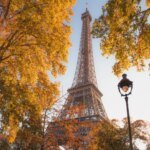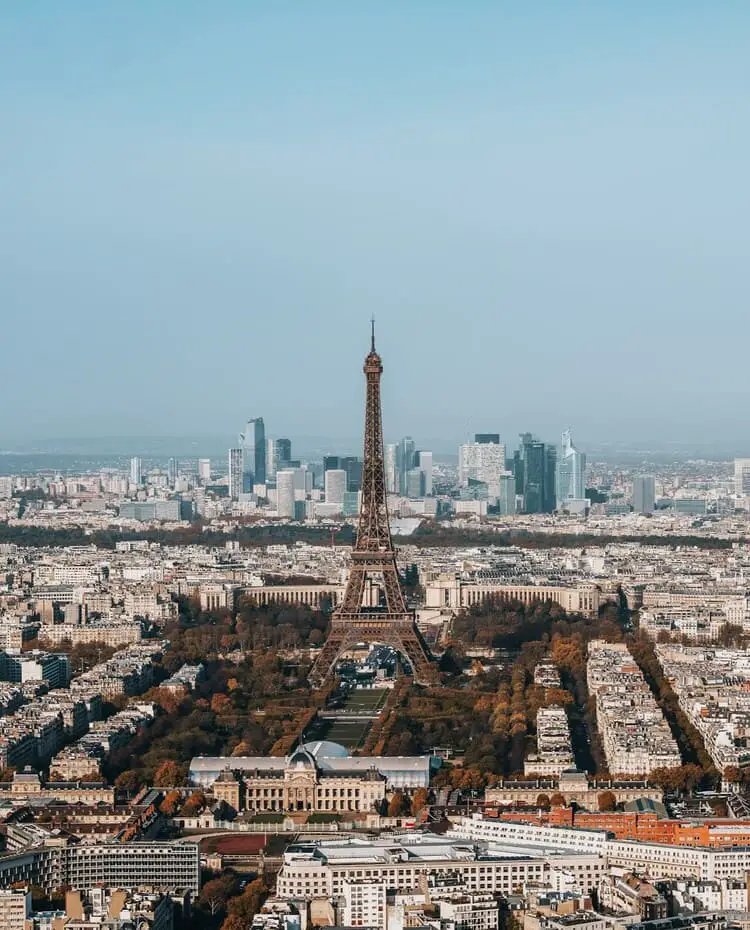
For the first time ever, Paris has been named the most liveable city in the world by Monocle magazine. The British publication’s annual Quality of Life Survey ranks cities based on how well they perform in areas such as housing, safety, health, culture, business, and overall quality of everyday life.
This year’s result crowns a decade of transformation for the French capital — one that made Paris cleaner, greener, and more balanced, without losing the charm that made it famous.
The magazine describes Paris as the “best all-rounder”, a city that finally matches beauty with everyday livability.
A First for Paris: What This Ranking Means
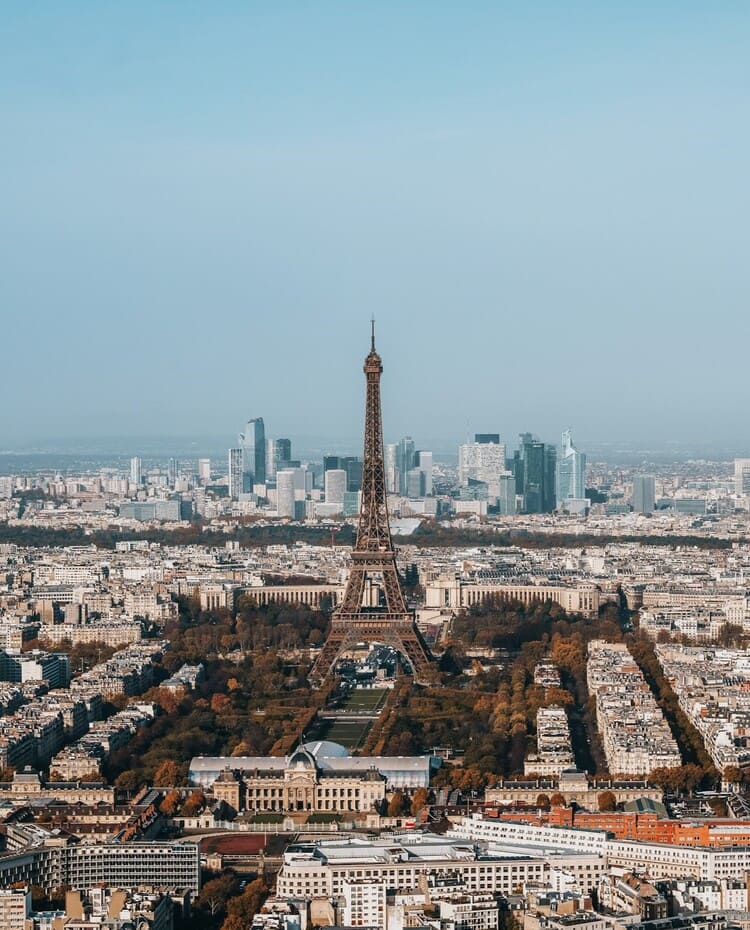
In Monocle’s 18th edition of the ranking, Paris takes the number-one spot for the first time.
The editors praise its “extraordinary cocktail” of qualities — elegance, cultural power, and a renewed sense of energy.
Architect Charles-Antoine Depardon, who advises Paris’s city council, told Monocle, “There’s no city in the world where I would rather live.”
His words capture the pride many Parisians feel today, after years of change that reshaped how the city looks and functions.
The publication highlights that Paris in the 21st century still looks much like it did in the 20th — and that’s part of its appeal.
The difference is that today’s Paris is more international, outward-looking, and environmentally aware than ever before.
How Paris Climbed to the Top
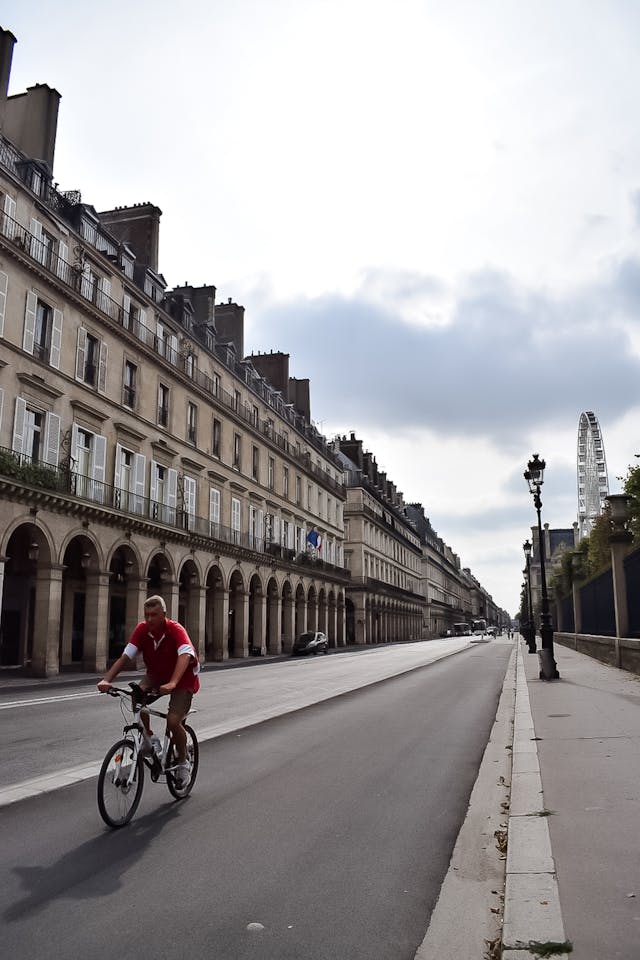
The turning point came over the past decade, especially under Mayor Anne Hidalgo, whose urban planning projects have transformed the capital.
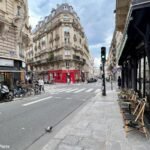
Some of her decisions — such as pedestrianizing major streets and expanding bike lanes — were controversial, but they’ve changed how Parisians experience their city.
The 2024 Olympic Games also played a key role, giving Paris a global stage to show its modern side.
The city delivered what Monocle calls a “rousing performance,” proving it could combine history and innovation while keeping its distinctive identity intact.
The Key Changes That Made a Difference
A City That Moves Better
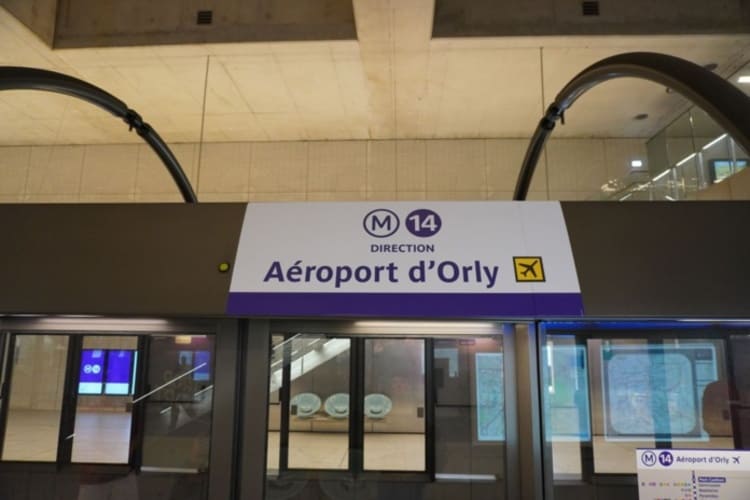
Transportation is one of Paris’s greatest recent successes.
The Métro network has been completely modernized, and the extension of Line 14 now connects Orly Airport in the south to Saint-Denis Pleyel in the north in just 40 minutes.
At the same time, the bike-lane network has exploded — now over 1,000 kilometers long — leading to bike use doubling between 2023 and 2024.
These improvements have made the city cleaner and quieter, while giving residents new, sustainable ways to move around.
A Greener Urban Vision
Paris has set an ambitious goal to become Europe’s greenest major city.
It plans to plant 170,000 trees by 2026, and as of early 2025, more than 120,000 are already in the ground.
Many are part of new urban forests, such as the one inaugurated in June 2024 at the Place de Catalogne.
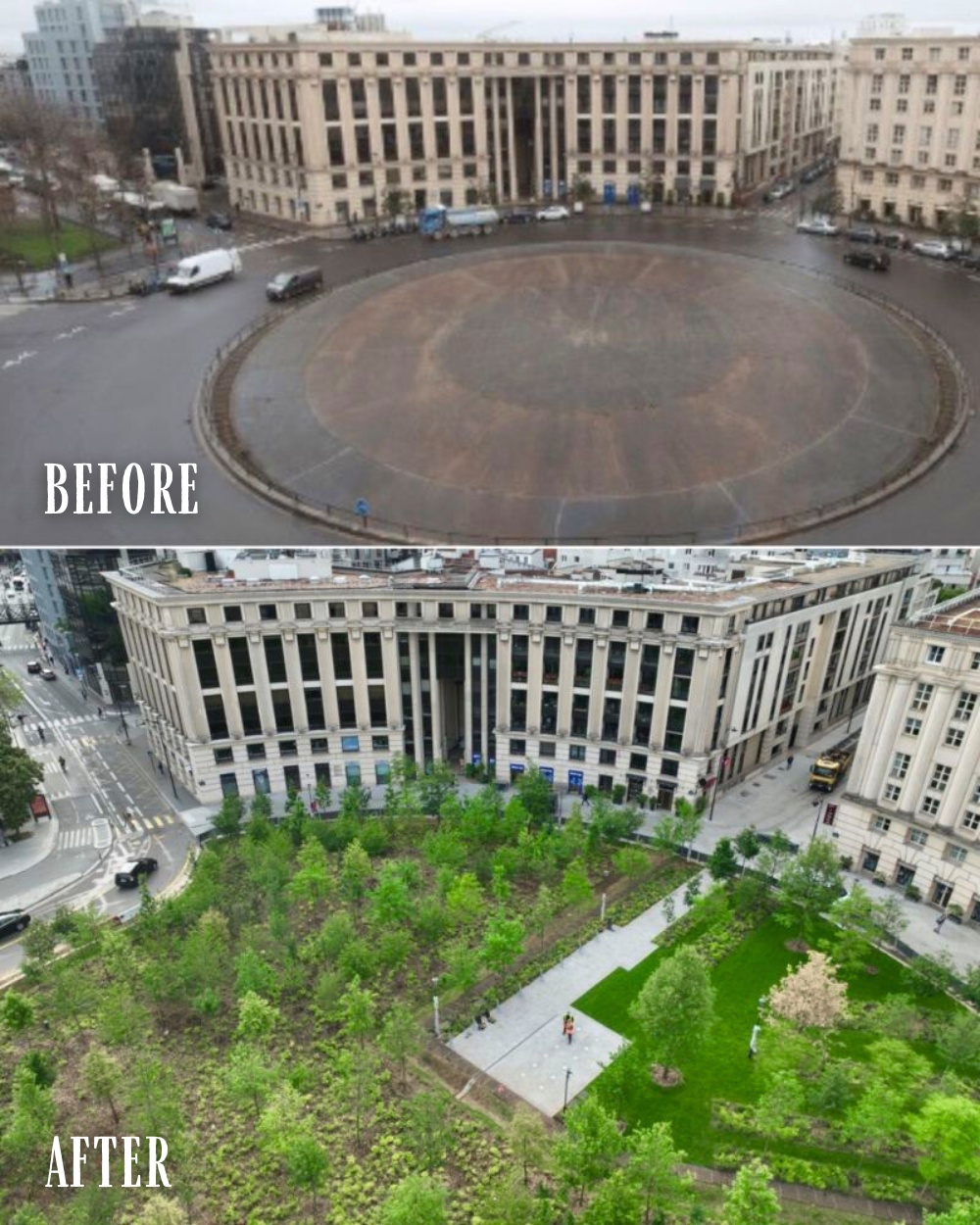
Journalist Lindsey Tramuta, who has lived in the 11th arrondissement for almost 20 years, told Monocle:
“Paris is a far more pleasant place to live today. It was always a beautiful city to walk in, but that’s even more the case now.”
Paris Today: Balancing History and Modern Life
Culture and Heritage Still Shine
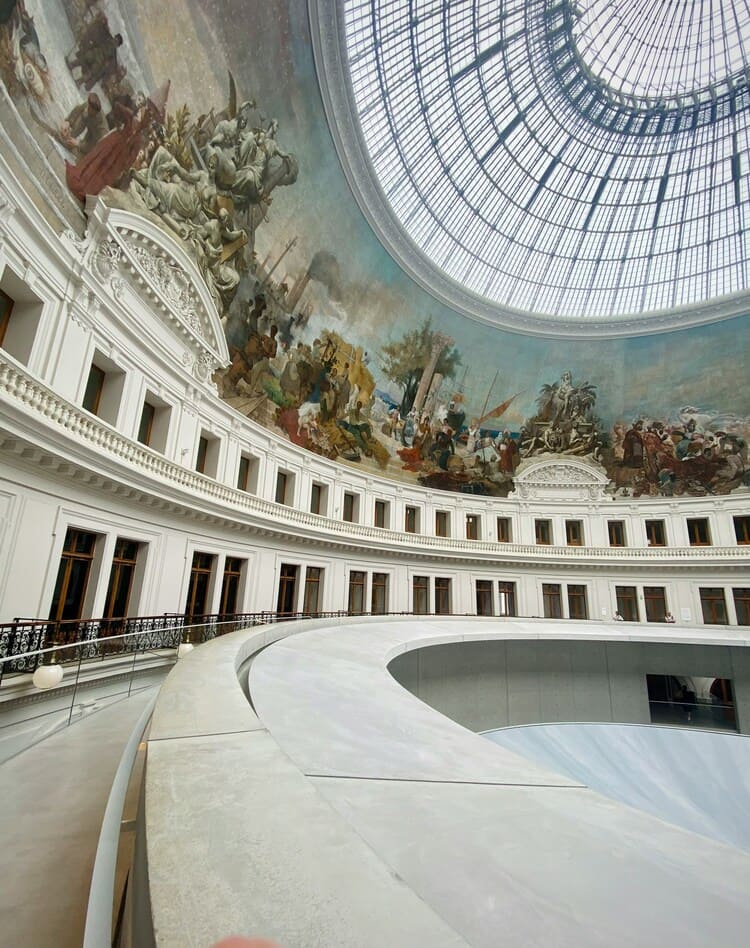
Paris continues to lead the world in art and culture.
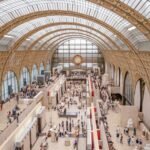
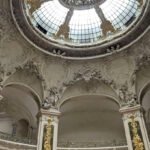
Iconic landmarks such as the Tadao Ando-designed Bourse de Commerce, now fully renovated, draw visitors from across the globe.
The city’s 136 museums remain unmatched for their quality and variety, and 123 Michelin-starred restaurants prove that gastronomy is as important as ever.
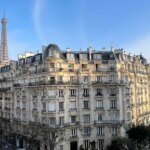
The French capital has managed to modernize without erasing its past — much like when Baron Haussmann reshaped the city in the 19th century.
Today’s leaders maintain that same spirit of designing public spaces with quality over quantity in mind.
A Stronger Economy and a Pro-Business Climate
Beyond lifestyle, Paris’s economy is thriving.
Thanks to the country’s most pro-business president in years, the city has overtaken London as Europe’s top venture-capital hub and its leading technology center.
Entrepreneurs like Jordane Giuly, founder of fintech company Defacto, credit the city’s compact layout for its success. “Paris lends itself far more to an office-based culture than cities such as San Francisco or London,” he says.
The short distances between offices and start-ups make collaboration easier and foster innovation.
A City That Keeps Its Soul
Affordable Living and Social Balance
Even as business booms, property prices have fallen over the past two years — a rare trend in major capitals.
Paris has also protected its mixité sociale, or social diversity, through strong housing policies.
More than 25% of Parisians live in social housing, which helps keep low-income residents and local shops in the city center.
Traditional businesses like neighborhood butchers and independent bookshops are supported by protection programs that prevent them from being priced out.
This mix of people and activities keeps Paris lively, authentic, and resilient.
Even the restaurant scene feels revitalized, with new owners and multilingual waiters reflecting a more international energy.
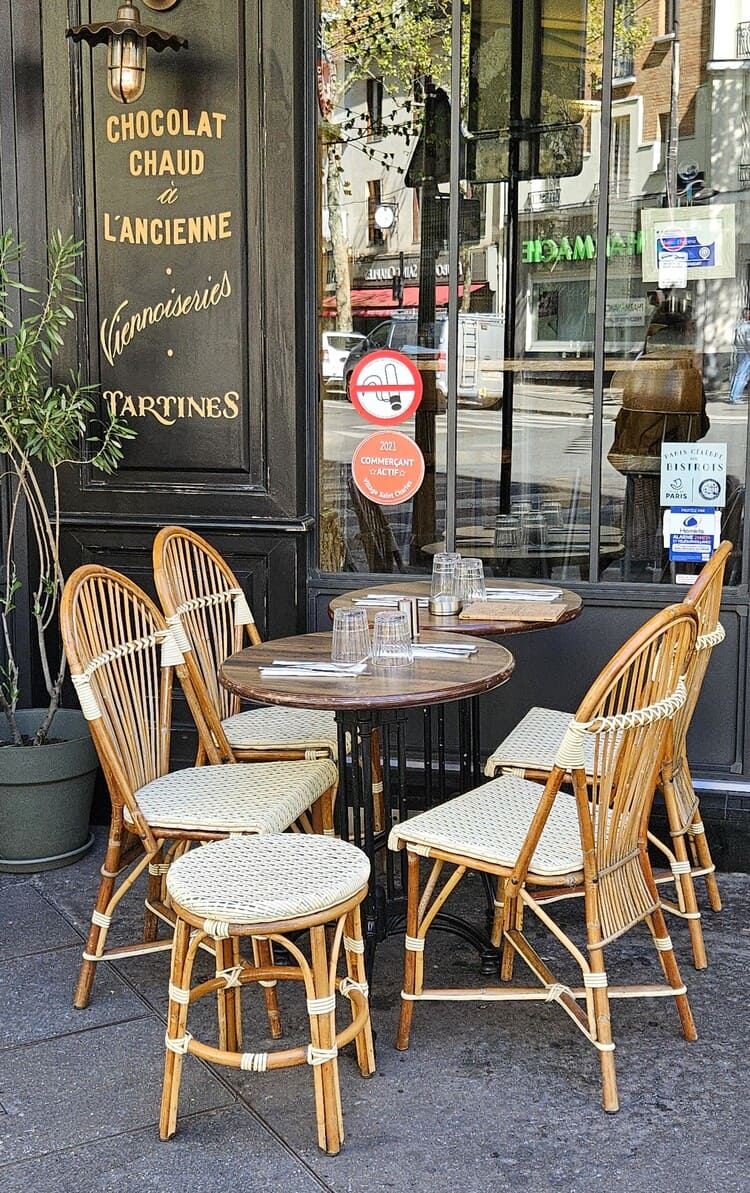
A City Built for Quality of Life
Parisians work an average 35-hour week, a figure mandated by French law, and that work-life balance contributes to the city’s appeal.
The compact size also helps — with 2 million residents (and over 12 million in the metro area), everything feels accessible.
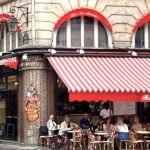
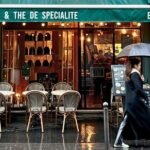
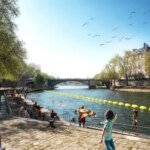
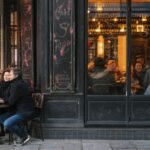
The combination of culture, cuisine, and daily convenience has turned Paris into a place where residents can enjoy both ambition and leisure in the same day — whether cycling along the Seine, visiting a museum, or meeting friends at a café terrace.
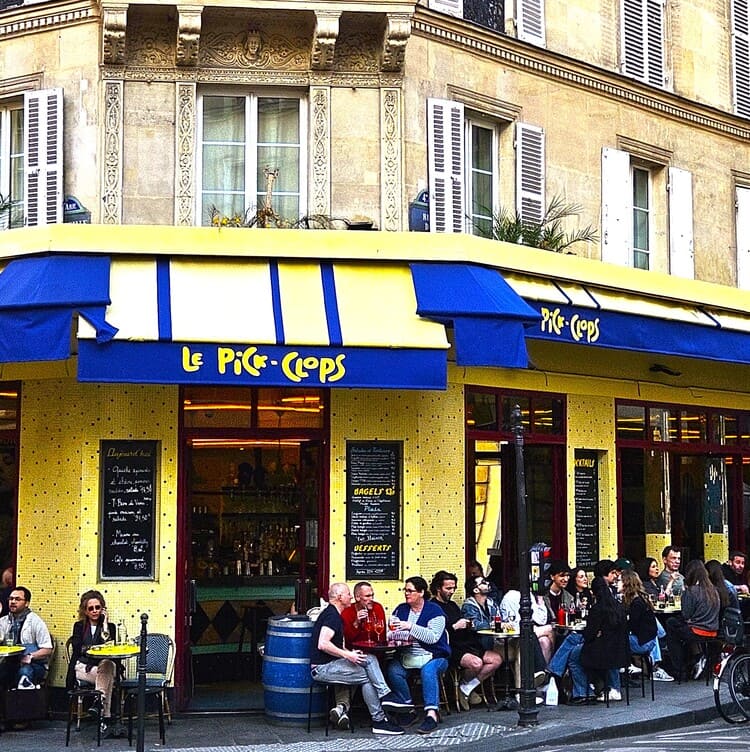
What Other Cities Can Learn From Paris
Paris’s success shows that historic cities can evolve without losing their identity.
The capital’s formula — long-term planning, public investment, and a focus on sustainability — proves that big cities can be both global and livable.
Monocle praises the city’s gentle density: streets designed for walking, strong public services, and vibrant communities that mix people of all backgrounds.
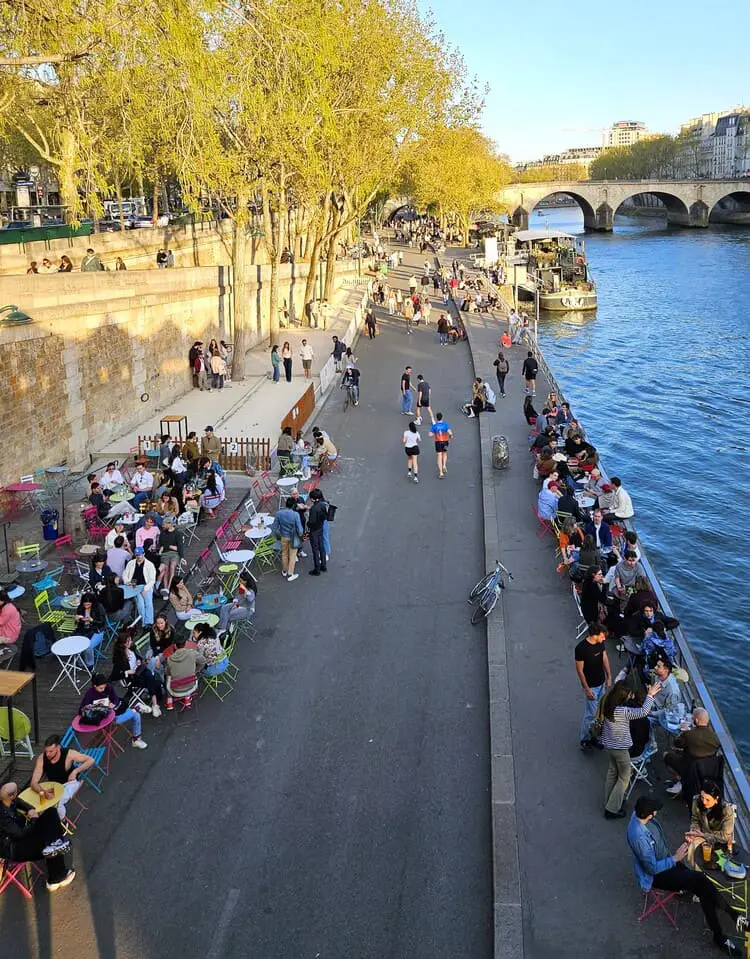
After decades of criticism about noise, pollution, and high costs, Paris has rewritten its story.
It’s now not only a symbol of beauty but a model of urban quality of life — a lesson for cities from New York to Tokyo.
The Full Monocle 2025 Quality of Life Ranking
- Paris – Best all-rounder
- Madrid – Best for health
- Athens – Best for nightlife
- Barcelona – Best for urban greening
- Vienna – Best for housing
- Zurich – Best for mobility
- Mexico City – Best for conviviality
- Lisbon – Best for safe streets
- Tokyo – Best for cleanliness
- Tallinn – Best for start-ups

With a passion for travel and having visited over 50 countries, Dorian is eager to share his favorite spots and expert tips to help you explore Paris and France like a local.