I always loved Asian art and Thailand, Vietnam and Japan are my favorite countries to travel to. Yet, the Guimet Museum stayed strangely “for later” on my Paris list. I rode past it on Metro Line 9 almost every day, right there by Place d’Iéna, but I never stepped inside. It was one of those places you mean to visit… and then somehow never do.
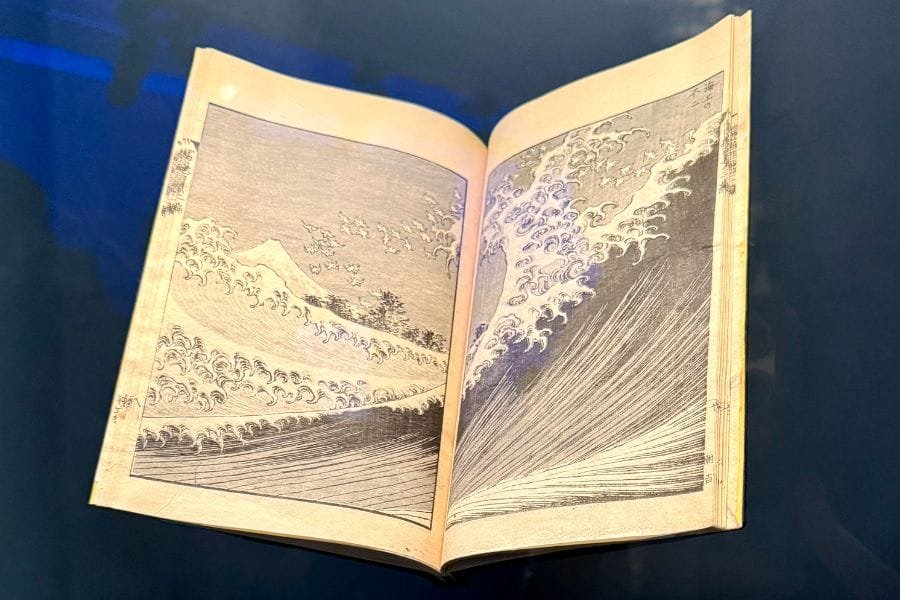
That changed when I heard about the new installation around Hokusai’s Great Wave off Kanagawa. The museum holds one of the rare original prints, plus a small immersive section built in 2025. That was the final push I needed.
And now I regret waiting so long. The museum is calm, very layered, and far bigger than it looks from the outside. There’s so much to take in that one visit isn’t enough — I left already planning my return.

Salut, I am Lena – travel planning expert and parisienne since 2006 🩷
📌 200+ handpicked spots I actually love – Get free access to my Paris map 🗺️

A Short History — and Why the Building Feels So Good
The Guimet Museum began with Émile Guimet — an industrialist, traveler, and collector who had a deep curiosity for Asian civilizations. After years spent exploring Asia and gathering artworks, he opened the museum in the late 19th century to share his collection with the public.
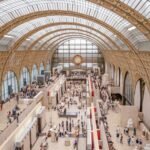
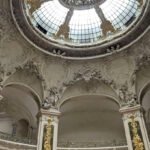
He chose a rotunda-style building that still feels surprisingly calm and spacious. Not grand in the Parisian sense, but open and easy to wander.
Like the Petit Palais, the Guimet was built as a museum from the start — and you feel the difference right away.
I don’t know about you, but the old Parisian palaces that became museums later often come with a faint smell of humidity and old carpet, plus layouts that were never designed for crowds. Beautiful, yes. Comfortable, not always.
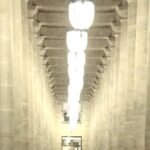
The Musée Guimet is the opposite. It feels good to move through. The light, the flow, the way each room opens into the next — it all makes sense. You can tell it was built for art, and for people, not adapted centuries later.
And today, it holds one of the most complete Asian art collections in the world — something you only grasp once you start moving from floor to floor.

What You’ll See Inside: Three Floors of Asia
The Guimet holds one of the largest Asian art collections in Europe, and you feel it from the first room.
The permanent collections stretch across three floors, each one organized by region. The museum guides you gently from one culture to the next. The rooms are dedicated to specific countries, which makes the whole visit surprisingly easy to follow.
Here’s what to expect in more detail.
The Ground Floor
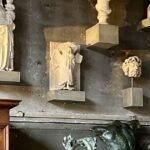
Your visit starts on the ground floor, and it sets the tone right away. The rooms are dedicated to Southeast Asia, with a focus on Khmer art. Think ninth- to thirteenth-century sculptures, carved lintels, and architectural pieces that once stood in Angkor’s temples.
The scale is impressive, but it never feels too heavy thanks to the airy layout of the museum. You walk among serene stone figures and delicate motifs, almost like stepping through fragments of an ancient city.
The collection doesn’t stop with Cambodia. You’ll also find art from Champa, Thailand, Laos, Myanmar, Indonesia, and Vietnam. Also some archeologic exhibits from India.

The Upper Floors
Once you head upstairs, the museum opens into a wider journey across Asia.
First Floor
This level brings you to India, Pakistan, Afghanistan on a broader meaning to the Himalayan region. You’ll see graceful stone figures, fragments from ancient sites, and the elegance of Gandhāra art.
It’s a mix of sculpture, archaeology, and small objects that tell stories without shouting for attention. It’s here where you also find the lower floor of the beautiful library.


Second Floor
China takes center stage here, with ceramics, ritual pieces, and refined decorative arts. You also pass through Korea and a section devoted to Japan. You also find a few modern pieces among the ancient art works.
Third Floor
The Japanese galleries sit at the top, and they’re some of the most beautiful in the museum. Screens, lacquer, armors, small objects full of detail — and a calm atmosphere that makes you slow down without trying.
This is also where you’ll find works displayed in rotation, including prints and delicate textiles that can’t stay out for long.
I won’t spoil everything. Part of the pleasure here is wandering, letting each room draw you in at its own pace.

Practical Information
The Guimet sits just above Place d’Iéna, in the 16th arrondissement — close enough to the Eiffel Tower to walk, but far enough to escape the crowds. It’s an easy stop if you’re already exploring the area or heading toward Trocadéro.
Location
Musée National des Arts Asiatiques – Guimet
6, Place d’Iéna, 75116 Paris
Opening Hours
Daily 10:00–18:00, closed on Tuesday
Last entry around 17:15, and they do clear the galleries on time — so don’t cut it too close.
How to Get There
The simplest way is the Metro Line 9 to Iéna. You come out almost in front of the museum.
You can also use:
→ Metro Line 6 to Boissière (a short walk)
→ Bus 32 or 82, both stop nearby

Final Words
The Guimet isn’t the loudest museum in Paris, and that’s exactly why it stays with you. It’s calm, generous, and full of pieces that reward slow looking. I walked in for the Great Wave off Kanagawa and walked out, wondering why I’d ignored it for so long.
If you’re curious about Asian art — or you simply want a quieter moment between the city’s big sights — this is a museum that opens up gently. And the more time you give it, the more it gives back.
I’ll be returning soon. I have the feeling it’s one of those places you never quite finish.


Parisienne since 2006 🩷
Expert in: Parisian Life &
French Culture, Travel
Planning, Crochet & Food and Drinks
Join me on Facebook for updates and news about Paris.
NEW: The Salut from Paris Travel Guide:
If my Paris insights help you plan your trip, please consider supporting me. Merci! ❤️ ☕

Must-Haves for Paris:
- eSim card to stay online while in Paris. I used GigSky for my travels.
- You likely need a travel adapter to plug your devices.
- Travel Insurance – if you don’t have one, VisitorsCoverage is a good option.
- If your flight is delayed or even canceled, use AirHelp to get compensation.
Tours & Attractions:
- I book tours & activities through Get Your Guide or Viator.
- Museum & Landmark tickets can be cheaper on the official page, but they are often sold out.
- I love the GoCity Travel Passes for easy planning
- I use Tiqets for Seine Cruises because with my code SALUT5 we get 5% off
Flights & Transportation:
Accomodation:
- Hotels in Europe I mostly book through Booking.com (check reviews carefully)
- Vacation Rentals through Airbnb or VRBO