

You have three days in Paris and about a dozen world famous museums pulling at you. Most of them are not worth the hours you will spend getting in line, walking through, and getting back out. A few of them are worth rearranging your whole day around.
Here is how I would actually rank them if a friend asked me over coffee.
Worth the Line
Musée d’Orsay
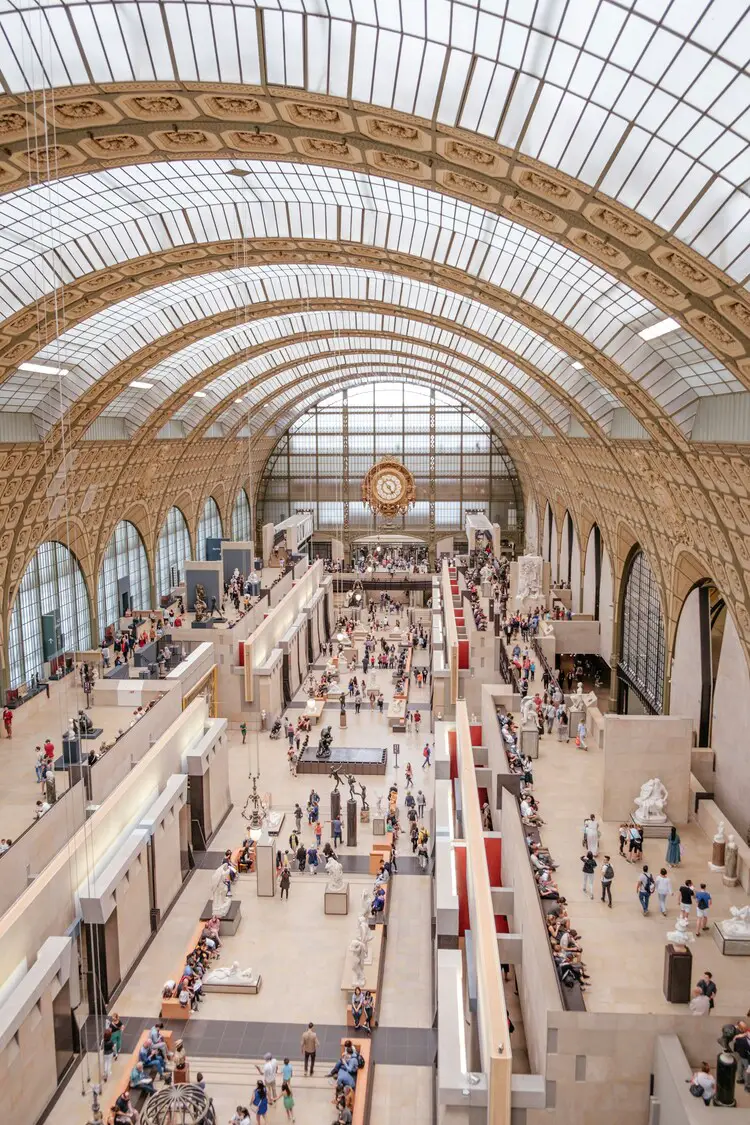

This is the one that surprises people.
Everyone books the Louvre first because that is the name they know, but the Orsay is where most visitors end up having their favorite hour in Paris.
It is a former train station from the 1900 World’s Fair, converted into a museum in 1986, and it holds the world’s largest collection of Impressionist and Post-Impressionist paintings. Monet, Van Gogh, Renoir, Degas, Cézanne, all under one glass roof with a giant station clock still built into the wall.
A standard ticket runs about 16 euros (roughly 17 dollars), and Thursday evenings after 6pm drop to 12 euros (about 13 dollars), with the museum staying open until 9:45pm. If you only have energy for one art museum in Paris, I would send you here before the Louvre, not after.
The Louvre
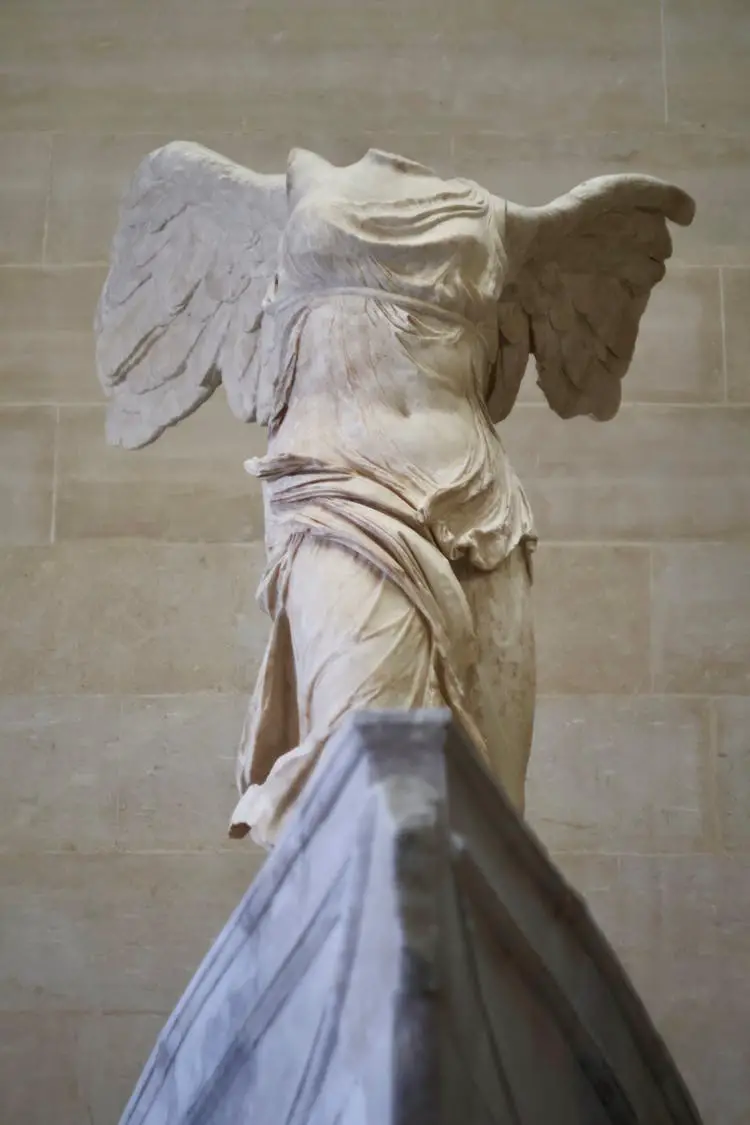
It earns its spot, but not for the reason most people think.
The building itself is bigger than most American downtowns, and if you try to “see the Louvre” in one visit, you will burn out somewhere around hour two and remember nothing.
The move is to pick one wing and go deep.
Since January 2026, the Louvre has introduced dual pricing: 22 euros (about 24 dollars) for European Economic Area residents and 32 euros (about 35 dollars) for everyone else, including Americans.
Book a timed entry slot in advance no matter what, and if you only care about the Mona Lisa and the greatest hits, budget two to three hours and stick to the Denon wing.
Musée Carnavalet
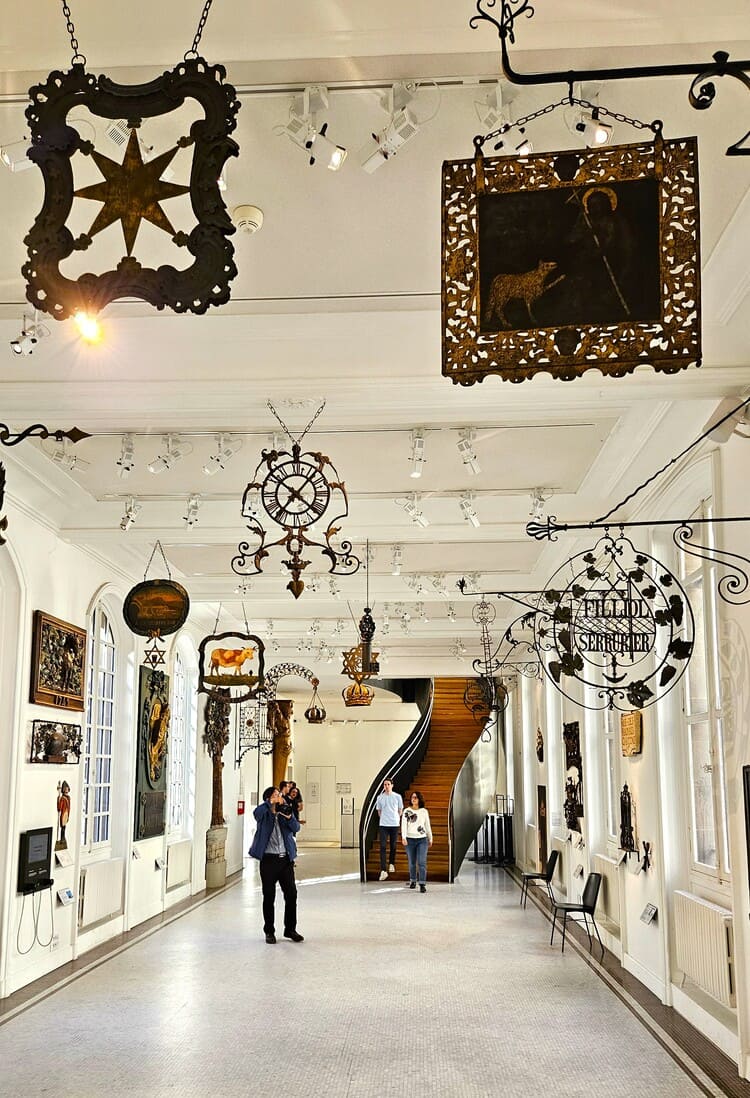

This is the one nobody puts on their list, and it is completely free.
Carnavalet is dedicated to the history of Paris itself, spread across two connected mansions in the Marais, with over a hundred rooms tracing the city from its earliest days through the French Revolution and into the twentieth century.
No ticket, no timed entry, no line to speak of.
I will say it plainly: this free museum beats several of the paid ones on this list. If you are budgeting your trip carefully, this is where that budget stretches the furthest.
Worth It If You Have Time
Musée de l’Orangerie
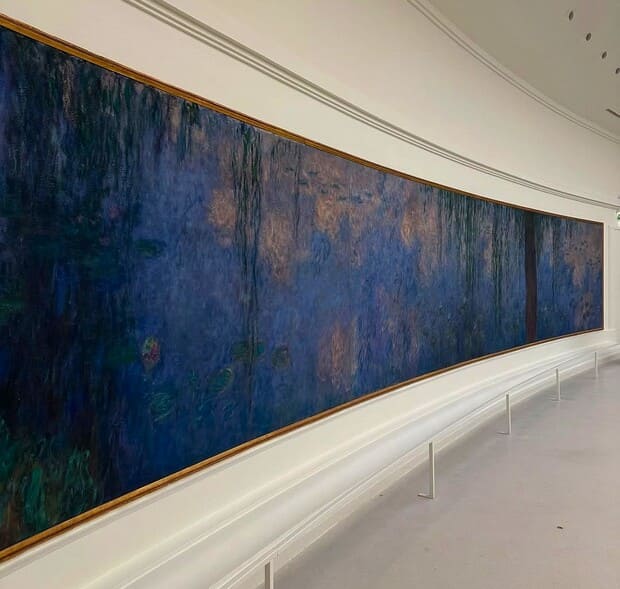

Small, easy to miss, and the kind of place people leave saying nobody told them about it.
Monet spent the final thirty years of his life on eight enormous water lily murals, and after the war he gave them to France on one condition: they had to live in a room built to his exact specifications.
That room exists, in two connected ovals inside a former orangery for Napoleon’s citrus trees, and the light changes with the weather outside because Monet planned it that way.
A ticket is about 12.50 euros (roughly 14 dollars), it takes about ninety minutes, and it sits a ten-minute walk from the Orsay along the Seine, so pairing the two in one afternoon is easy.
Musée Rodin


This one is for anyone who wants art without the crowd size of the Louvre.
The Thinker and The Gates of Hell live here, inside an eighteenth-century mansion with a seven acre garden where most of the sculptures are actually meant to be seen, outdoors, in changing light.
A ticket is about 14 euros (around 15 dollars) and includes the garden. Give it two hours, split evenly between the building and the grounds. Skipping the garden is the most common mistake people make here.
Musée Picasso
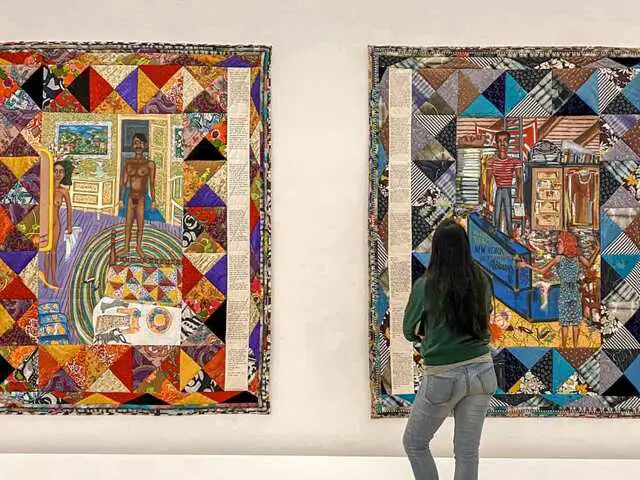

Tucked into a seventeenth-century mansion in the Marais, this holds the richest public collection of Picasso’s work anywhere in the world, spanning his entire career from the Blue Period onward.
It is also one of the least crowded major museums in Paris, which after a morning at the Louvre feels like a relief.
A ticket runs about 16 euros (roughly 17 dollars). Pair it with a Marais afternoon and Musée Carnavalet, since both sit a short walk apart.
Musée Jacquemart-André


This is a private mansion turned museum, built by a wealthy banking heir and his art collector wife in the 1870s, and it is still furnished the way they lived, right down to the ballroom and the winter garden.
Rembrandt, Botticelli, and Fragonard hang on walls surrounded by décor so ornate it competes with the art for your attention.
A ticket is about 16 euros (roughly 17 dollars). This is consistently the one visitors say they wish someone had told them about sooner.
Overrated for What You Pay
The Catacombs of Paris
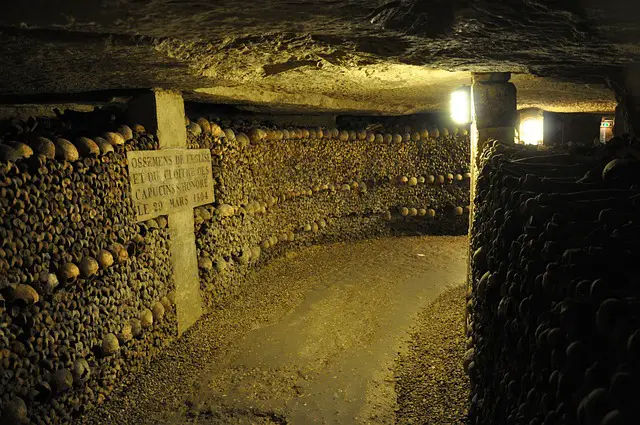

I know this one will get an argument, and that is exactly why it is here.
The Catacombs are genuinely unique: miles of underground tunnels lined with the bones of an estimated six million Parisians, moved here in the late 1700s when the city’s cemeteries ran out of room. It is unlike anything else in Paris.
But a skip the line ticket runs close to 29 to 30 euros (roughly 31 to 33 dollars), without one the wait can stretch past two hours, and the actual visit is about twenty to thirty minutes of narrow, dimly lit tunnels before you are back on the street. For that price and that wait, I want you walking in with your eyes open about what you are actually getting.
Skip It
Musée Grévin


This is the wax museum near the Grands Boulevards, and it is the one I would tell you to cross off.
A ticket runs 22 to 24 euros, which is close to what you would pay for the Louvre itself, for an experience built around photo ops with wax celebrities rather than anything you will remember a year later.
The Hall of Mirrors at the entrance is genuinely beautiful, and it is a fine rainy day activity with kids. But paying nearly Louvre money for it, on a trip where your time in Paris is limited, is where I draw the line.
Centre Pompidou
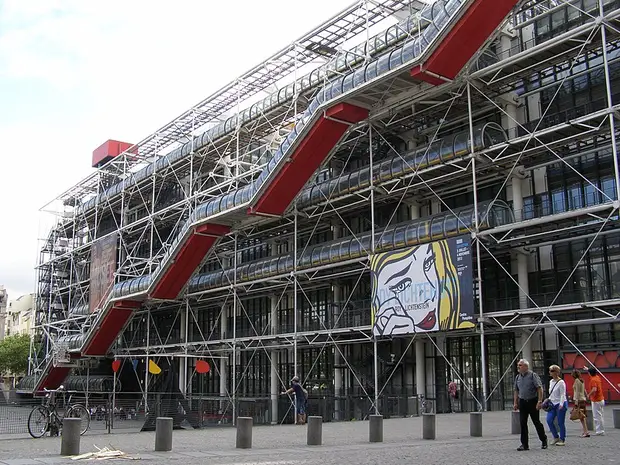

I am including this one because so many visitors still have it on their list without knowing it closed.
The Pompidou shut its doors in September 2025 for a five year renovation and will not reopen until 2030.
If contemporary art is what you are after, the Bourse de Commerce or the Palais de Tokyo are the closer substitutes right now. This is less a ranking decision and more a heads up: cross it off before you build your itinerary around it.
So Where Does That Leave You
If you have one full day for museums, Orsay in the morning and Orangerie in the afternoon, with a walk along the Seine between them, will likely be the best day you have in Paris.
If you have two days, add the Louvre on day two with a single wing chosen in advance, and Rodin, Picasso, or Jacquemart-André if you want something quieter to close things out.
And if your budget is tight, do not skip Carnavalet just because it is free. It is one of the best museums on this entire list.
For more on how the rest of Paris stacks up, I ranked every major Paris attraction from worst to best, and if you are watching your budget, here are 32 of the best free things to do in Paris.


With a passion for travel and having visited over 50 countries, Dorian is eager to share his favorite spots and expert tips to help you explore Paris and France like a local.